



















CHESS
In Psychology of Chess, the authors describe how, throughout history, chess has captivated certain minds to the point of abandoning their families and their very lives to pursue its mastery. The same kind of theme is seen in the wonderful film Searching for Bobby Fischer. I can strongly relate to these feelings. However, luckily perhaps, this type of obsessiveness with chess only seems to pop up intermittently, often when I'm in a difficult period. It is a great escape and a constructive way to concentrate the mind to forget about your problems for while.I think the fascination with chess stems from the fact that while it offers literally infinite possibilities it seems finite. There are 32 pieces and 64 squares and the pieces move in predictable patterns. These limited factors make chess mastery seem tantalizingly attainable and make it so that anybody can enjoy a basic level of chess knowledge. Yet, the more one plays, the more obvious it becomes that truly mastering the game is far more difficult than it seems on the surface and could require a lifetime of study. Chess is also one of those activities that really combines the left and right brains and requires both to achieve great skill.
More Resources on Chess
|
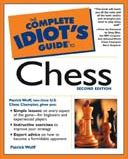
A great book for beginners by Grandmaster and two-time U.S. chess champion Patrick Wolff. This book is full of explanation and exercises and can teach you the basics and up to the intermediate level. I recommend it! |

|
If you found this page helpful, then:
Subscribe to My Free Newsletter
Get bonus content full of ideas to help you develop
greater understanding and insight in many areas of life.
OR